
In Part 1, Optimise Foundation trustee, nutritionist (and Mum!) Sam Gold explored the challenges of helping teenage athletes to fuel appropriately.
In Part 2, Sam shares top tips for athletes and those supporting them.
So, what does a well-fuelled teenage athlete look like?
It doesn't have to be complicated.
In fact, some of the most important things are incredibly simple.
Eat regularly. Three meals a day, with snacks around training and when hungry.
Don't be afraid of carbohydrates. Carbohydrates are an important fuel source for exercise, particularly higher-intensity sport.
Include protein regularly. Protein supports growth, muscle repair and recovery, but it doesn't need to mean protein shakes and bars. Eggs, yoghurt, milk, fish, chicken, meat, beans, lentils, tofu, nuts and seeds can all play a role.
Eat after training. That post-training window doesn't need to be a perfectly constructed "recovery meal". Sometimes it's as simple as a banana and yoghurt, a sandwich, cereal and milk or chocolate milk and a piece of fruit.
Listen to hunger. Hunger isn't something that needs to be controlled or ignored. If she's hungry, let her eat. That bowl of cereal before bed is fine, especially if she has an early morning session or doesn’t wake up feeling hungry – energy stores are important.
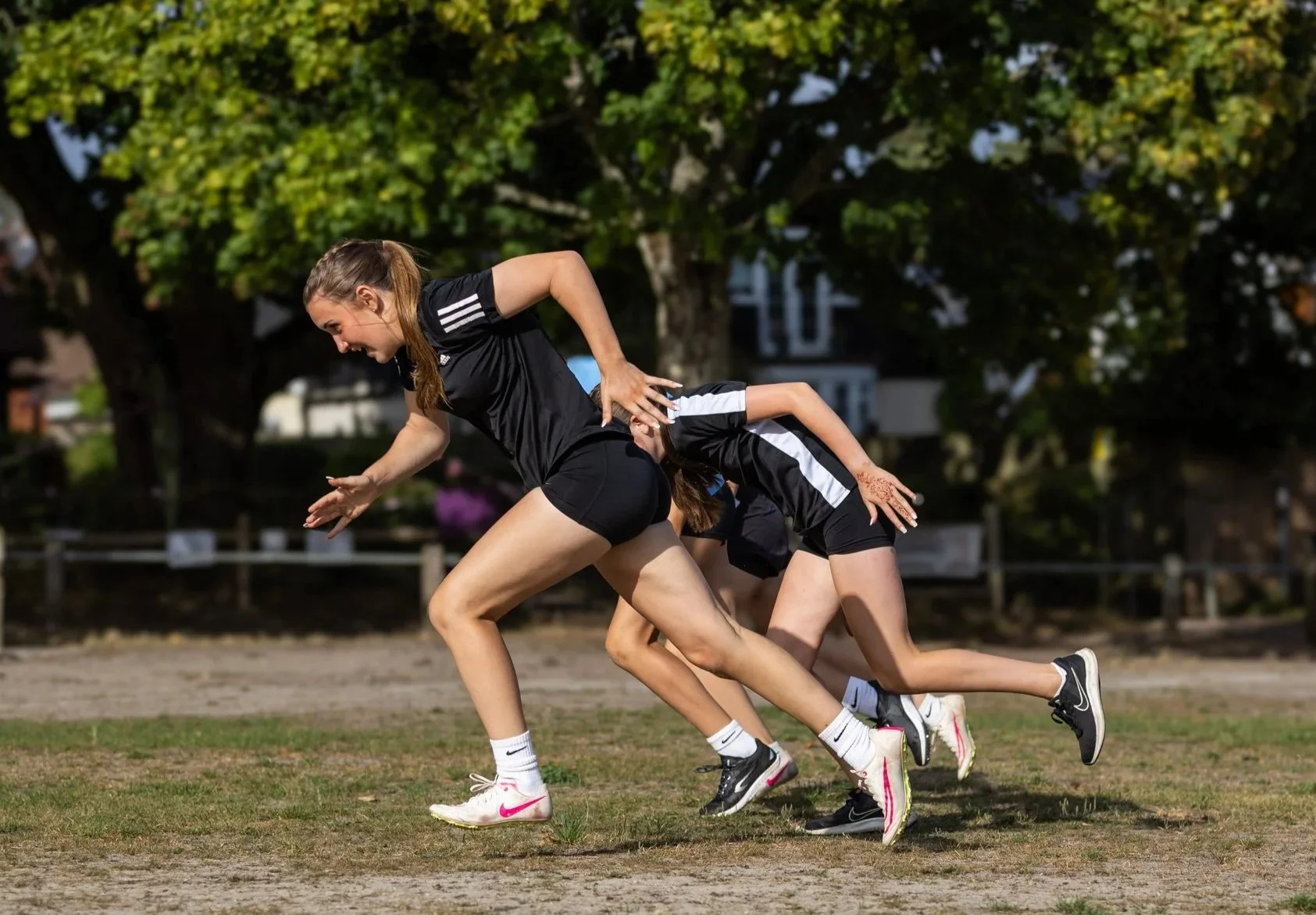
And then there's the menstrual cycle…
For years, sport has been built around a male model of performance, with female athletes expected to fit themselves into the same system.
But teenage girls are experiencing hormonal fluctuations and menstruation alongside their training. Understanding her cycle can give her another layer of information about her body, and it doesn't mean we need to obsess over every day of the cycle or create another complicated set of rules around food.
Quite the opposite.
It's about helping girls understand their bodies rather than fight them.
We've created a practical guide to help with this too (always remember to get teenagers to track their cycle).
I've seen how much difference it can make when a young athlete starts eating enough and stops seeing food as something that needs to be restricted or "earned".
More energy.
Better concentration.
Better recovery.
More resilience.
Better training sessions.
More confidence.
Perhaps most importantly, a healthier relationship with food and her body.
I want them to understand what their bodies can do and have the energy to train, compete, laugh with their friends, concentrate at school and enjoy being teenagers.
As parents, teachers, and coaches, we have a role to play.
“Ultimately, I don’t want my daughters to spend their teenage years worrying about being smaller.”
We can't control every message girls hear, and we certainly can't make every meal perfect.
But we can create a different conversation:
We can stop commenting on weight and body size.
We can make carbohydrates normal.
We can keep easy snacks available.
We can encourage them to eat before and after training.
We can teach them that being hungry is normal.
We can talk about periods as a health marker.
Most importantly, we can help them understand that their worth has absolutely nothing to do with the size or shape of their body.

Because a strong teenage girl isn't one who eats the least.
She's one who has the fuel, confidence and resilience to become everything her body is capable of becoming.
That, to me, is the real win.
Blog by Optimise Foundation Trustee and Nutritionist, Sam Gold
