
When we talk about keeping girls in sport, the focus often falls on confidence, body image and social pressures. But there’s another factor that’s both universal and routinely overlooked: menstruation.
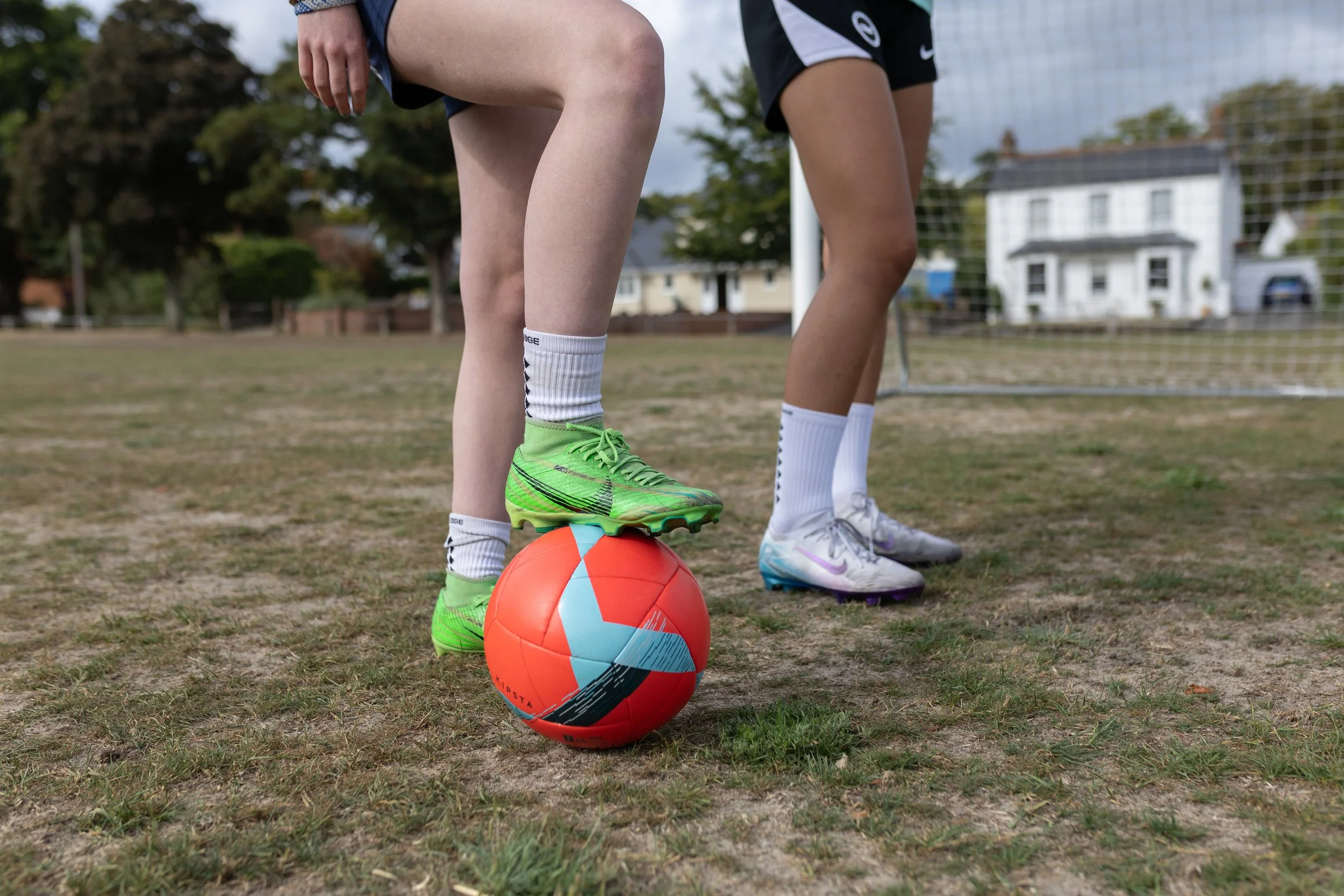
1 in 20 girls reported missing training and/or competition every single month due to their cycle.
Published this year, new research in Australia examined the impact of the menstrual cycle on sports participation among girls in the early years of menstruation. Set against a global backdrop where adolescent girls are already less physically active than boys – and with participation in Australia dropping to as low as 23% in the 15–19 age group – the study asked a vital question: how much of that gap is influenced by periods?
The findings suggest: a lot.
Surveying 464 girls aged 10–16 about their symptoms and experiences in training and competition, the research paints a clear picture. An overwhelming majority reported experiencing:
Fatigue (88%)
Low mood or mood changes (89%)
Pain (88%)
These symptoms weren’t minor inconveniences. Girls felt their menstrual cycle significantly affected how they trained and competed:
91% reported changes in skill level
77% said it impacted their effort in participation
58% said it affected attendance
Many of the girls surveyed also expressed fear about being dropped from team sports due to absences or poor performance stemming from menstrual symptoms. As a result, they play on, increasing vulnerability to injury, reducing their resilience and impacting enjoyment of the game.
It’s clear that menstruation can have a huge impact on participation in sport at all levels.
It’s not just about managing a bleed
For many girls, anxiety plays as big a role as physical symptoms. Around 90% worried about leaking blood during training, and 92% during competition. Three-quarters said they weren’t always able to change menstrual products when needed during competition.
The result? Embarrassment. Stress. Distraction. And, for some, thoughts of dropping out altogether.
If girls feel unable to talk openly about pain, leaks, bowel symptoms or mood changes, they are left to manage complex physical and emotional shifts alone.
It’s also important to think intersectionally. Experiences of menstruation in sport are shaped by disability, religious and cultural context, and socioeconomic background. Access to suitable products, private changing facilities or appropriate kit is not universal. For some girls, these barriers stack up quickly.
What can we do?
Education is a vital starting point to reduce stigma and open up conversation – not just for girls, but for coaches, parents and clubs. Understanding symptoms beyond bleeding, recognising patterns, and adapting training expectations can reduce impact and keep girls engaged.
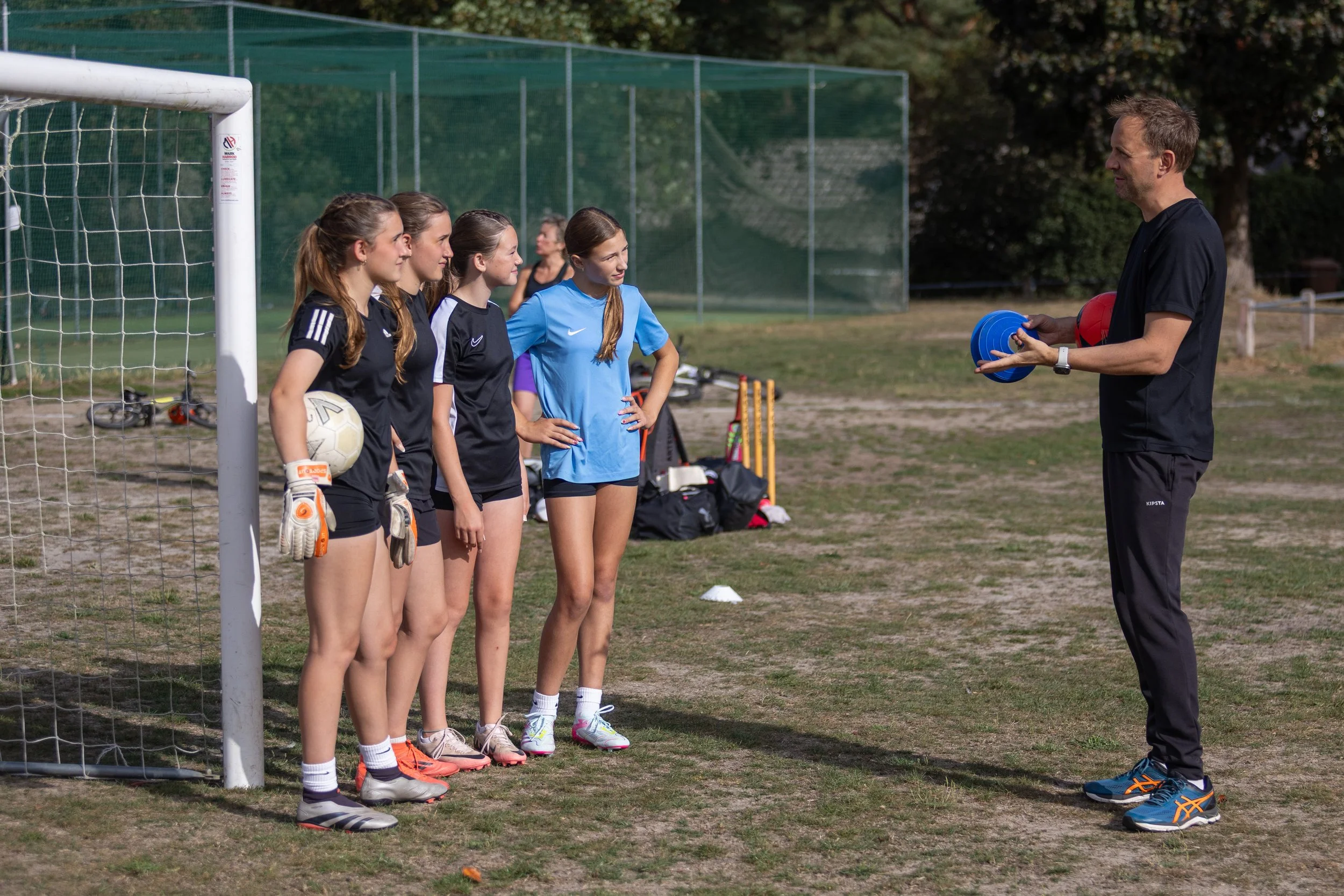
Practical considerations matter too:
Education on menstrual products suitable for different sports
Thoughtful uniform design
Addressing financial barriers to products and kit
Creating safe, accessible spaces to change during training and competition
When we build environments that anticipate girls’ needs rather than react to crises, we can help to reduce dropout before it happens.
Turning research into action
At Optimise, we see this work as fundamental to keeping girls in sport for life — and enjoying it!
Our educational toolkits support athletes at every stage:
Menstrual Cycle & Sport (12–14 years, 15+, 18+)
Puberty in Sport for Coaches and Parents (launching Summer 2026)
Breast Support in Sport (Autumn 2026)
ACL Injuries in Female Athletes (2027, funding dependent)
Our workshops provide practical, actionable guidance to help girls understand their cycle, track symptoms and manage common challenges – from fatigue and pain to performance fluctuations. We create spaces where conversations are normalised, stigma is dismantled and real change can be made, together.
Alongside this, we offer one-to-one support to ensure girls, families and coaches have tailored strategies that work in real life, not just on paper.
Want to help create environments where girls don’t have to choose between their period and their participation?
Blog by Chloe Duncan
