
A space for all women and girls - coaches included?
Often, conversations around women and girls in sport focus on participation, but they miss a vital piece – the lived experience of women and girls who are coaching, managing and leading…
It’s not the first time women have been a missing piece, as reflected in Dear England, the acclaimed play which highlights the largely unseen role of sports psychologist Dr Pippa Grange, whose work supporting the England men’s football team’s wellbeing and performance has been little recognised outside the inner circle.
The experience of female coaches, then, is an important part of the growing conversation about women in sport. Last month, the aptly-named UK charity Women In Sport released research showing that sports coaching in the UK is a hostile environment for women. In collaboration with Leeds Beckett University, they surveyed 2,000 coaches from grassroots to elite levels about their experiences. The study found that women coaches are twice as likely as men to report bullying, and detailed hierarchical, male-dominated environments where harassment and intimidation come from both fellow coaches and parents.
“Across all coaching roles from grassroots to elite, 30% of women report bullying compared with 15% of men”
Interestingly, these issues reflect broader workplace disparities. For example, a study by Textio found that 78% of women were described as “emotional” in performance reviews, compared with just 11% of men, with other personality-based descriptors appearing much more often in women’s reviews. The outcomes of these reviews affect women's career opportunities and advancement, yet the performance systems don’t treat them equally.
Evidently, cultures and systems – both in and out of sporting environments – are holding women back and, in some cases, causing them harm. It’s no surprise then that research last year showed the percentage of female coaches in the UK dropped from 44% in 2022 to 38% in 2024 – a 6% decrease over just two years.
That’s why we need to address these problems from within sporting environments. Famed Lionesses coach Sarina Wiegman is a rightly celebrated figurehead and trailblazer, but her success has come despite systemic barriers, not because those systems always supported her.
Women In Sport’s recommendations include:
Implementing anti-misogyny policies
Using gender budgeting and gender impact reporting to address disparities in pay, expenses, and investment
Strengthening reporting mechanisms
Promoting gender-balanced leadership
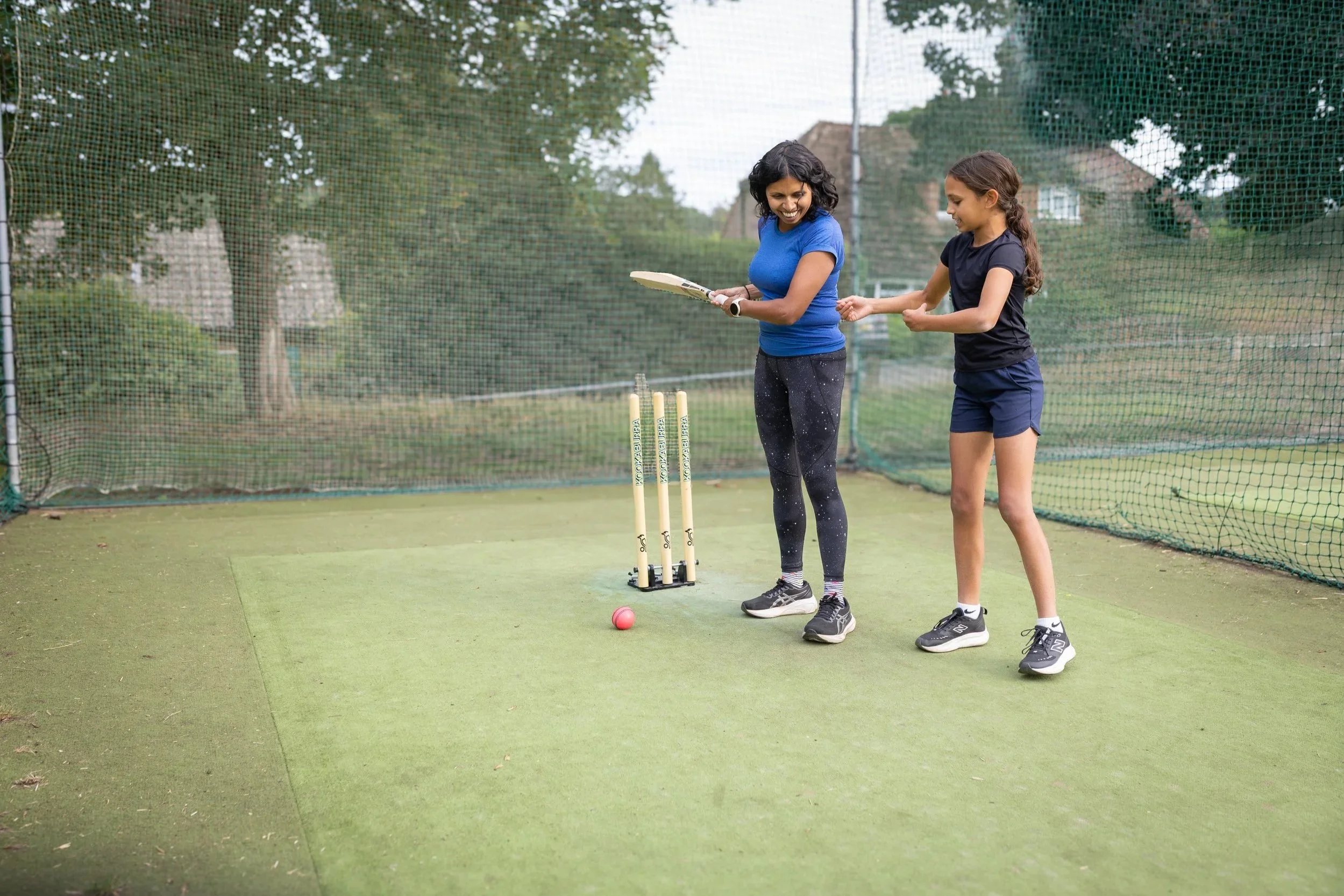
With actions like these, and collaborative effort across all levels of sport, we can change this story and empower female coaches, now and in the future. The 2025 Youth Sport Trust report found that 17-19% of girls would like to lead a sports activity either in or after school. At Optimise, we want to pave the way and create the conditions for these girls to become coaches and inspire future generations of athletes. Through workshops, toolkits, and individual support, we’re creating a movement to keep girls and women in sport – coaches included.
Want to be part of this movement and create change for the female athletes (and future coaches!) in your club, school, or community?
Links
Read more about the Women In Sport research: Reimagining Sport Coaching: Designing a System That Works for Women
Find out about Dear England: Olivier Awards nominations for Dear England
UK Coaching research on the decline in female coaches: UK Coaching research reveals decline in female coaches
Textio research: Language Bias in Performance Reviews
Youth Sports Trust: Research on Girls in Sport
Blog by Chloe Duncan
