
What a Cambridge panel on women's health in sport taught us about turning research into real change.
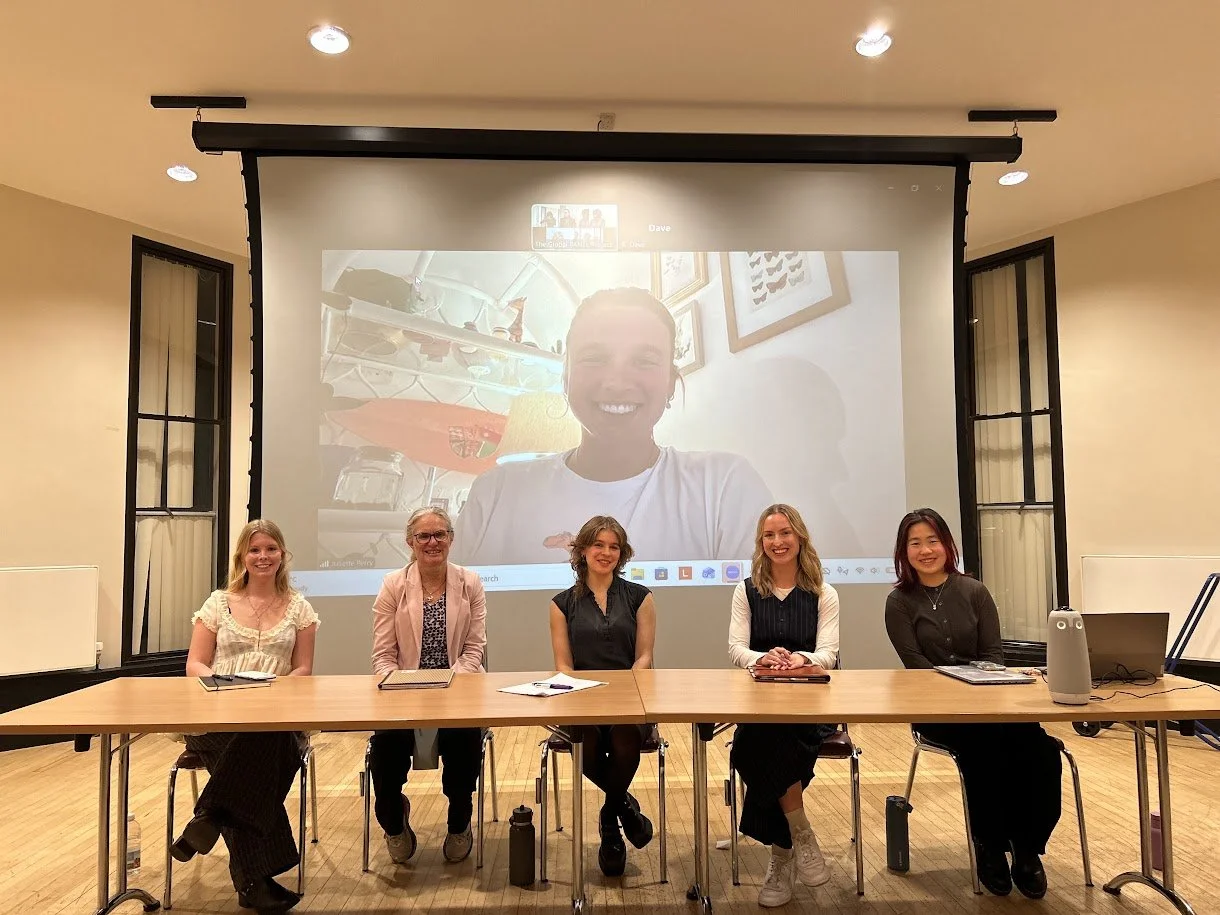
Last month, Optimise Foundation joined The Global PANEL Project for a panel event at the University of Cambridge exploring women's health in sport.
The room was full of university students: the future researchers, clinicians, coaches and journalists who will shape what sport looks like for the next generation. They came with sharp questions, and we enjoyed every one.
From the evidence we have to the experiences of girls and women on the pitch, track, court and beyond, one thing was clear. There is still work to do to make sure knowledge translates into practice.
The problem isn't girls. It's what reaches them.
Our Head of Communications & Engagement, Chloe Duncan, opened with the numbers. According to Women in Sport's 2022 research, 43% of girls who once called themselves sporty lose interest as they get older. By 17 to 18, fewer than three in ten girls describe themselves as sporty, compared with six in ten boys.
The drop tracks puberty: periods, a changing body, avoidable injuries, and a culture where many girls would rather stop playing than tell their coach they're in pain. For girls who stay in, training hard without the right information can lead to relative energy deficiency in sport (RED-S), low bone density and lost periods.
Women's sport has never been more visible. But the research shaping the elite game rarely reaches the 13-year-old at her local club, her volunteer coach or her parents on the sideline.
This is why Optimise Foundation exists.
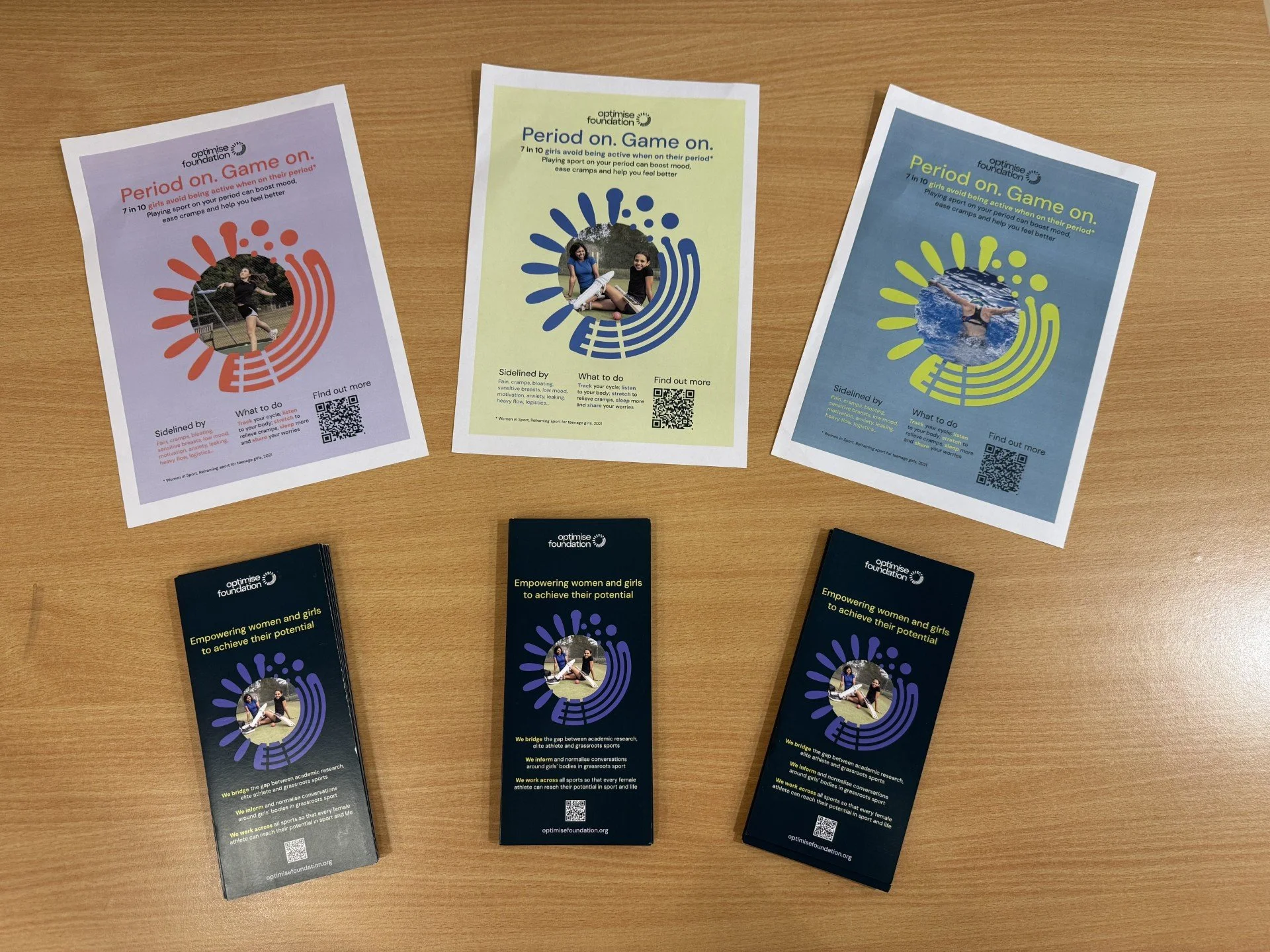
We help grassroots clubs, schools and families turn the latest research on female physiology into practical action. We do it through our Female Athlete Charter, our train-the-trainer educational toolkits, and science-backed resources that normalise conversations about the female body.
““If you don’t know it, or won’t say it, you can’t communicate it or advocate for yourself. That’s why we start with health literacy, so every girl can understand her own body and feel confident speaking up.””
What we learned
We were delighted to share the panel, facilitated by The Global PANEL Project team, with:
Juliette Perry, GB Rowing and The Well HQ
Dr Caz Nahman, Chair of the Sports and Exercise Psychiatry Special Interest Group (SEPSIG) at the Royal College of Psychiatrists, and a Child and Adolescent Psychiatrist in Oxford
Throughout the evening, several themes emerged:
Spot RED-S early
Megan highlighted why practitioners across all sports, especially youth sport, need to understand RED-S. The sooner the adults around young athletes recognise the signs, the sooner they can step in.Empowered conversations
Juliette shared the valuable work of The Well HQ and why, as an elite athlete, open conversations about individual training are key. No two athletes are the same, and the best support starts with listening.Fuelling real life
Dr Caz spoke about the importance of nutrition, and of helping athletes fit good fuelling into busy routines. That includes university students juggling lectures, training and everything in between.Literacy, not rules
We shared what our evidence base tells us. Research on the menstrual cycle is growing, but it resists one-size-fits-all answers: a 2020 meta-analysis by McNulty and colleagues found little or no difference in performance across cycle phases. So our education gives girls the knowledge to understand their own bodies and make informed decisions.Change needs every sector
Together, the panel reaffirmed that improving experiences for girls and women at every level of sport needs support from all sectors: researchers, clinicians, governing bodies, schools, clubs and the communities who surround them.
Thank you to The Global PANEL Project for bringing people together around such an important topic, to our fellow panellists, and to everyone who came along with questions.
The research is getting there, and we'll keep working hard to make sure it reaches the women and girls who need it.
Join us. Be a changemaker.
Sign our Charter. Show girls and women in your club, academy or school that you're committed to better conditions: Female Athlete Charter.
Deliver our education. Our educational toolkits give you everything you need to share it in your own community.
Stay in the loop. Our newsletter brings the latest research and stories straight to your inbox.
Please donate today. Every donation helps us take this education to more clubs and schools.
Blog by Chloe Duncan
Chloe is a Culture and Change Specialist, and Optimise Foundation's Head of Communications & Engagement
