
A Letter to My 10-Year-Old Self
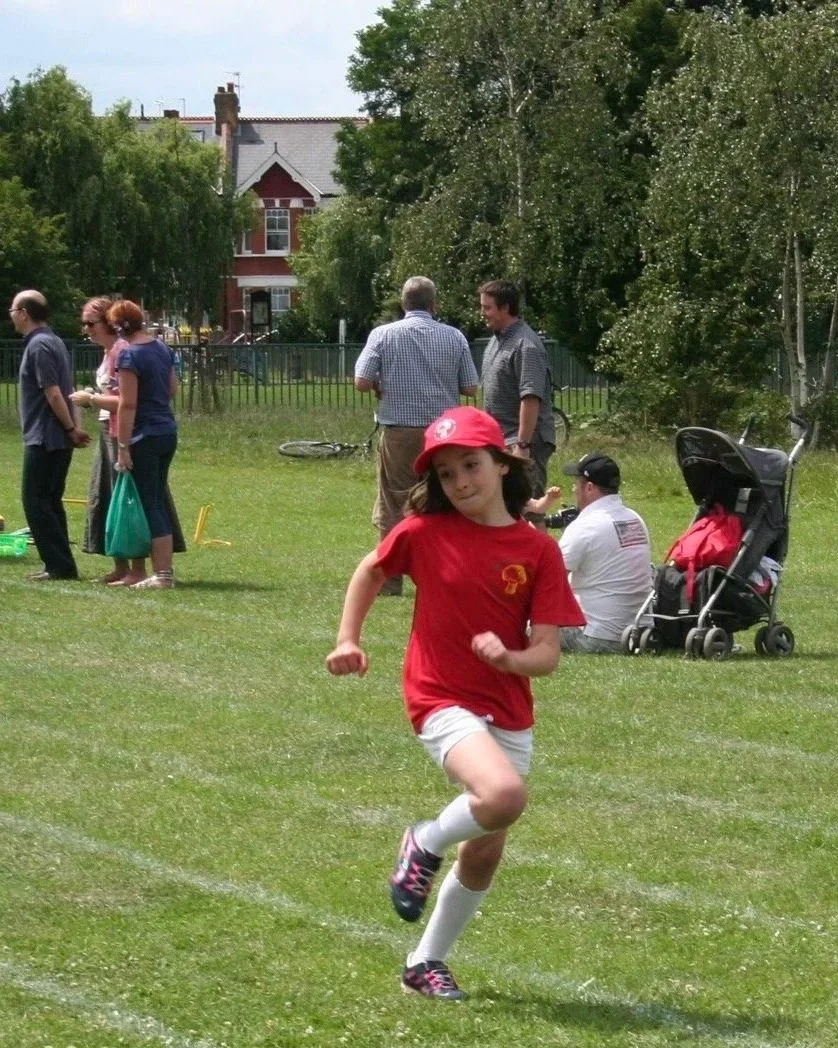
As a young girl, you loved sport.
You loved the confidence of moving your body, of running and yelling, with freedom in your lungs as you do so. It was pleasure in its purest form: sports days spent giddy in the sun, and netball tournaments playing with the power of a team behind you.
Sport wasn’t something you did. It just was.
And then, somehow, it wasn’t. You couldn’t point to the exact day it changed, but you remember your body starting to feel different - it seemed alien, unfamiliar. You gained a new awareness of yourself that you hadn’t asked for. Everything suddenly felt awkward. You became aware that others might see it too. See the tomato-blush creeping up your face, the limbs that wouldn’t quite cooperate, the sports bra that didn’t sit right.
You had no idea your centre of gravity had shifted. Nobody told you that the same body that used to move without thinking now needed re-learning. You assumed it was you, that you no longer belonged in sport. So, you stopped going. You weren’t alone in that. Research shows that by 14, one in three ‘sporty girls’ drop out (link below). By 18, more that half are gone. Not because they stopped loving it. But because, like you, their bodies changed faster than their confidence could keep up, and nobody was there to explain why.
It took 8 years to come back.
In your second year of university, you signed up for a half-marathon on a whim, having barely run five minutes without stopping.
Around kilometre 12, you were exhausted, sweaty and cramping all over. It really didn’t seem possible. But at some point, and you couldn’t quite pinpoint when, you stopped thinking. Your mind escaped your body, and a quiet determination took control. You knew you would get to the end. Nothing mattered except moving forward. Your breathing found a steady thrum, and the trust and confidence you once had in your body flooded back.
“I wish I could tell you that your body was never failing you; it was changing. The problem was that nobody explained how those changes might affect the way you moved, trained, and felt.”
That gap still exists for too many girls today. Research on female physiology in sport already exists, but it often remains locked away in elite performance environments, a world away from the school PE halls where girls need it most.
When girls understand their bodies instead of fearing them, they don’t have to retreat from sport. They stay on the team. They avoid injuries. And the joy that pulled them into sport in the first place doesn’t disappear just because their bodies are changing.
At Optimise, we believe every woman and girl deserves access to that knowledge. We aim to drive that change by translating the science into actionable guidance, empowering all women and girls to optimise their health, enjoyment and wellbeing in sport.
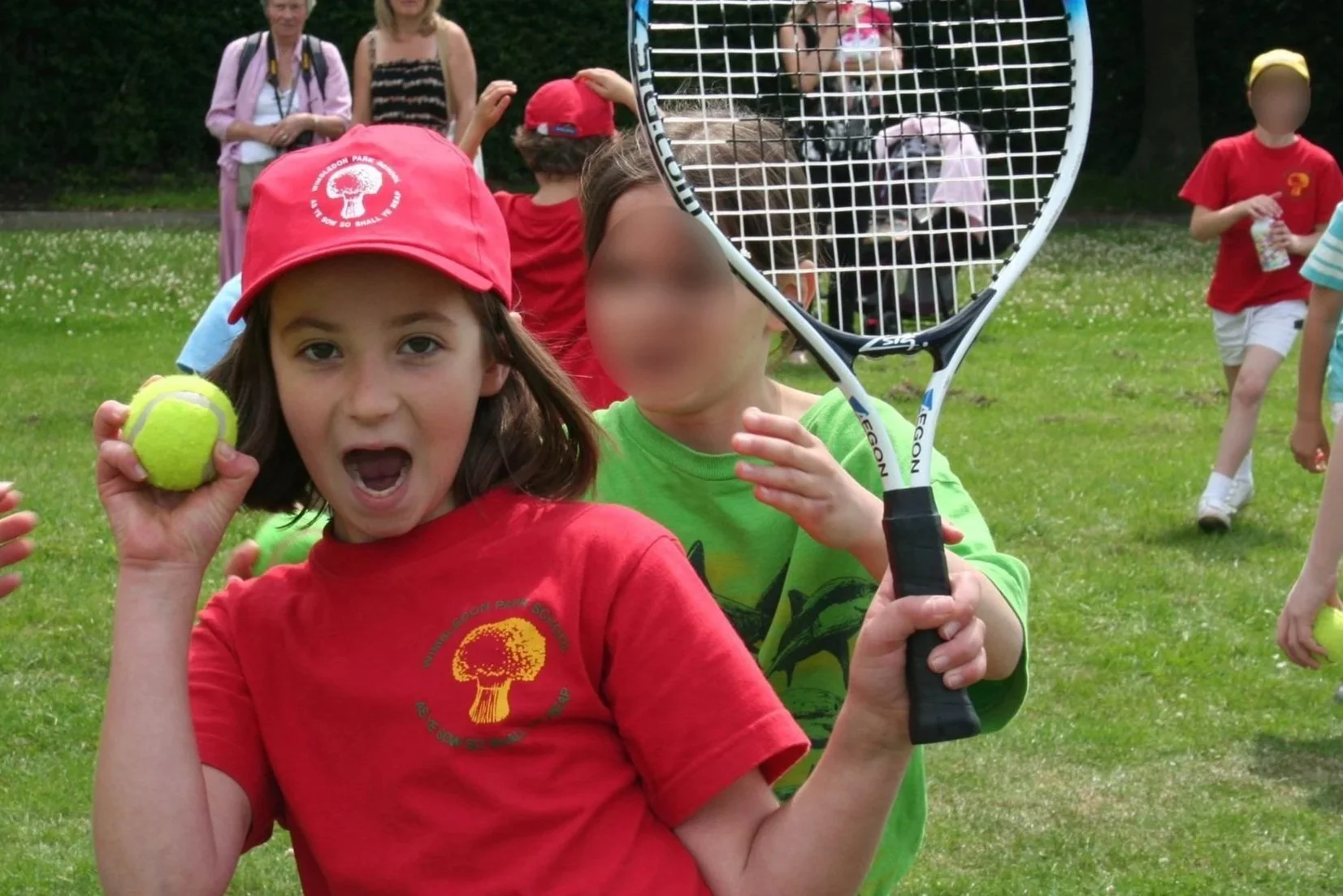
Because the joy that movement brings should last a lifetime.
Research source: Women in Sport 'Reframing sport for teenage girls: Tackling teenage disengagement' July 2022.
