
How can research change women’s sport?
What we learned at the 2026 WiSEAN Conference!
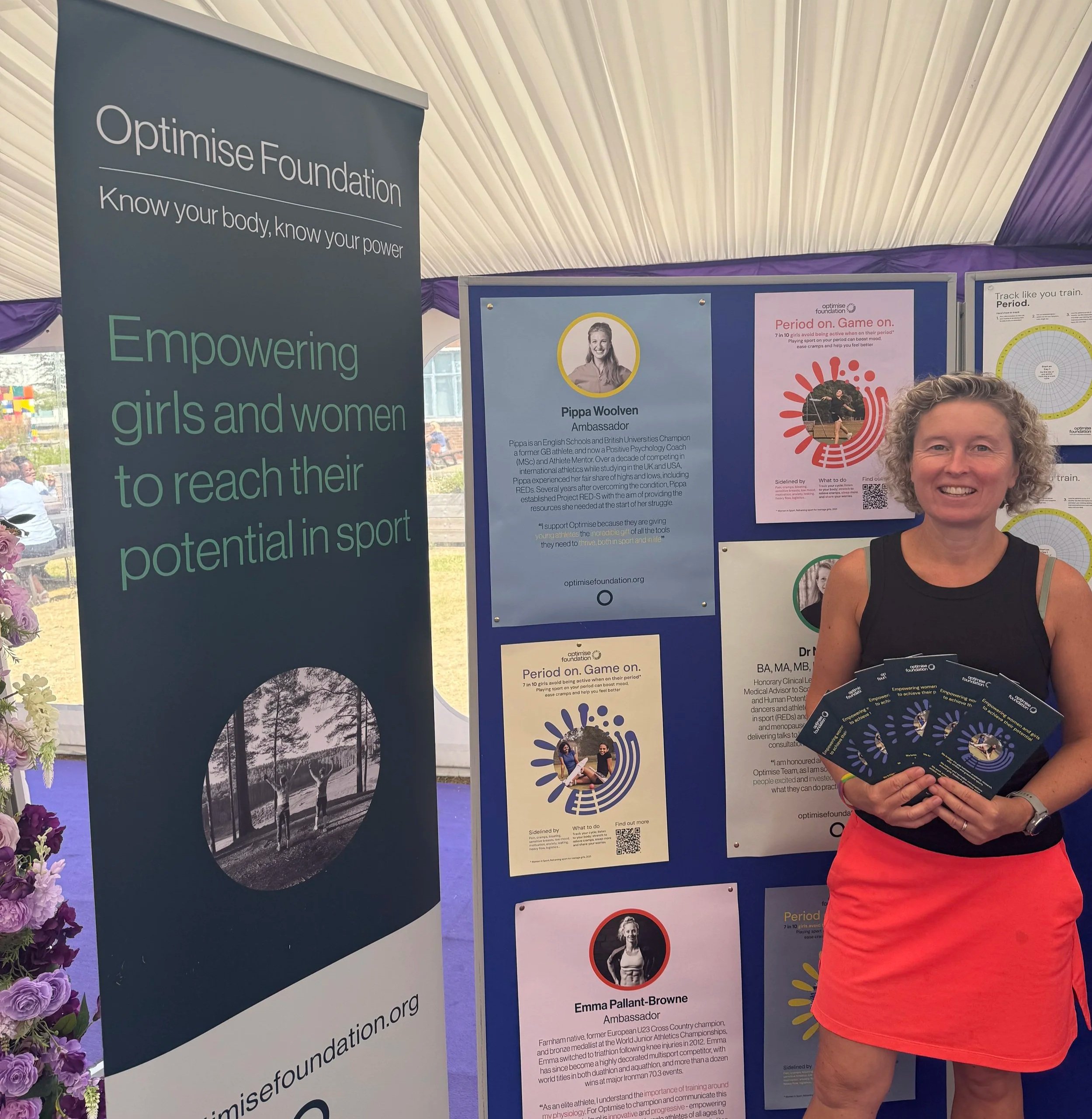
Recently, members of the Optimise Foundation team attended the Women in Sport and Exercise Academic Network (WiSEAN) 2026 Conference.
It was an inspiring few days filled with thought-provoking discussions, new connections and plenty of ideas to take back into our work.
We were also delighted to showcase Optimise Foundation's work and to speak with so many researchers, practitioners and organisations who share our commitment to improving the experiences of women and girls in sport!
One session that particularly stood out was the From Grassroots to Elite panel, where leaders from across the sporting landscape shared honest reflections on both the progress being made and the challenges that remain.
Throughout the conference, several themes emerged:
-
Positive early experiences are key. It's not simply about encouraging girls to take part in sport, but about creating environments where they feel supported, valued and want to continue participating. Crucially, this relies on tackling the barriers girls face through practical action.
-
As Dr Nicole LaVoi put it, "We have to collaborate and lift one another." Whether through research partnerships, governing bodies or community organisations, meaningful change happens when people work together!
-
We were also reminded of the incredible pace of research and innovation in women's sport. With so many excellent symposiums and workshops taking place, one challenge became clear: ensuring that evidence reaches the coaches, teachers, volunteers and organisations delivering sport every day.
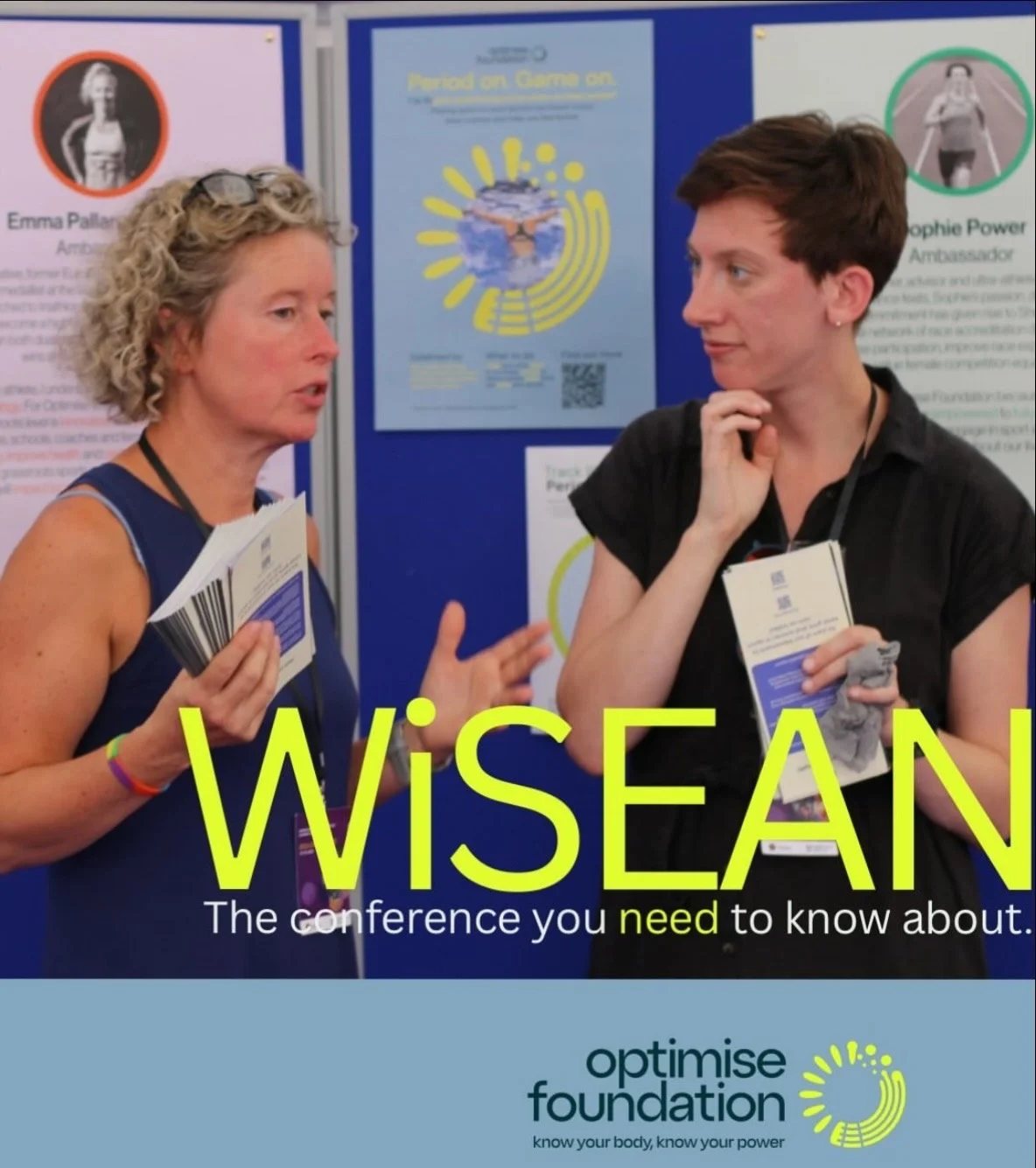
This is why Optimise Foundation exists.
We are passionate about bridging the gap between research and practice, helping grassroots clubs, schools, academies and community organisations turn evidence into practical actions that improve the everyday experiences of women and girls in sport.
Optimise Foundation Head of Programmes, Emma Butcher, shared her thoughts:
I loved the emphasis on listening to female athletes about their experiences, which is essential to understand where support is needed
Angela Kenneally and Eloise Kirby gave great talks highlighting that many female athletes reported negative menstrual cycle symptoms with up to a third missing training because of their symptoms. The talks also highlighted a need for high-quality, engaging education (like Optimise!) and the importance of breaking down communication barriers, with many athletes stating that they would not talk to their coach about the menstrual cycle
The keynote speech from Kelsie Johnson was top notch; my main takeaway was that the overwhelming amount of data that female athletes have access to is not always a positive, and can mean that athletes stop listening to and trusting their own bodies!
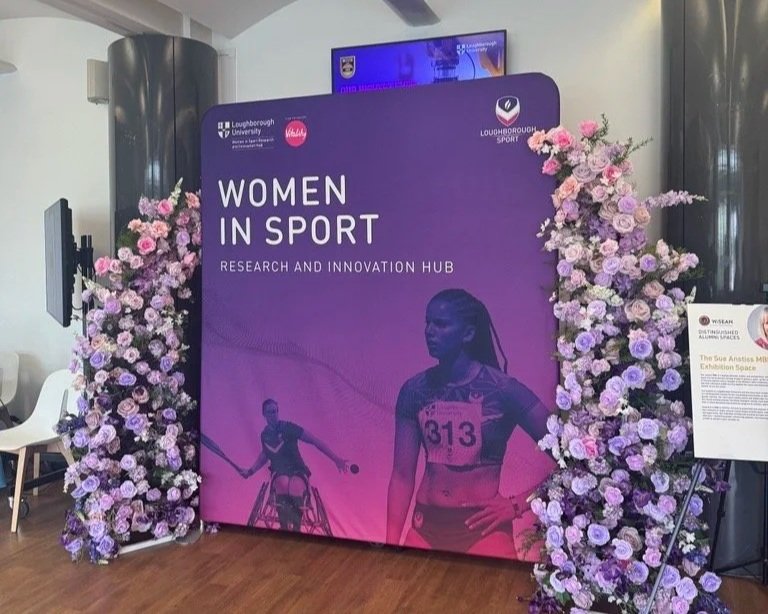
The research is moving forward.
Our mission is to make sure the people supporting women and girls in sport can move forward with it.
Blog by Chloe Duncan
