
How to Stay in the Game
Keeping teenage girls engaged in sports during puberty
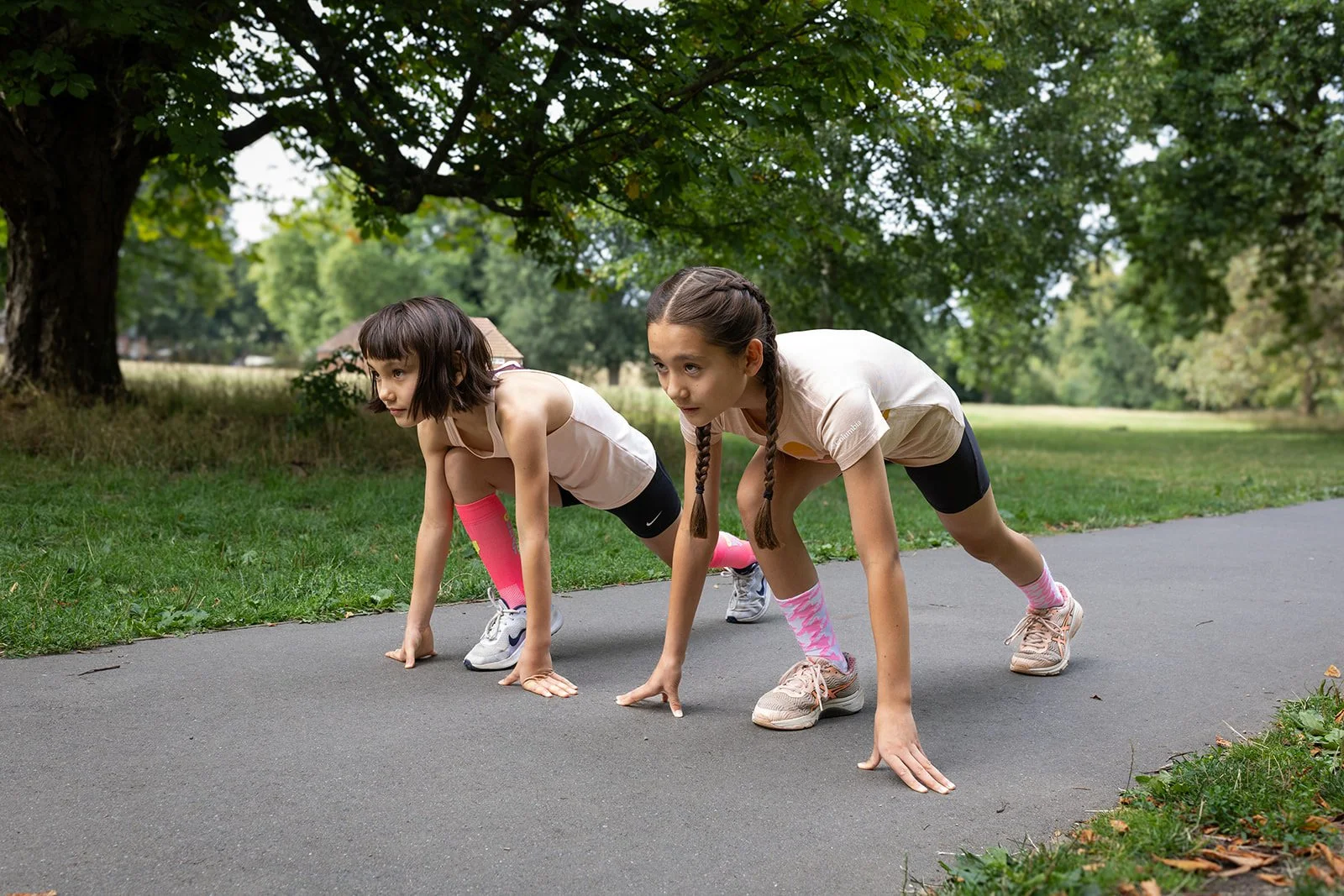
Puberty is a big word. Saying it aloud can induce embarrassment, stress, shame and stigma.
At Optimise, we believe that knowing what is going on in your/the female body, and having the language to describe it, can bring huge physical, psychological and emotional benefits for teenagers, and their parents/guardians and teachers/coaches too.
Puberty is the period of transition from childhood to adulthood, lasting approximately five years with significant physical and emotional changes. Girls enter puberty between the ages of 10 and 14 years old, which can kickstart a drift away from sport and movement. Peer pressure, body image worries, and physical changes during puberty can lead to confusion, frustration, anxiety, and performance challenges. Around 70% of girls aged 11-18 avoid being active when on their period (regularly or sometimes) (Women in Sport, 2022).
But it doesn't need to be this way! Practical knowledge, support, and encouragement from parents, teachers, and coaches will keep girls active and enjoying sports for a lifetime.
Menstrual cycle
The menstrual cycle begins during puberty, with most girls getting their first period (also known as menstruation) around the age of 12–13 years. A typical menstrual cycle lasts between 21 and 35 days.
Not everyone experiences the menstrual cycle the same way. There are over 150 symptoms, and they can occur at any time in the cycle, not only during the bleed phase. Symptoms can be positive - such as increased energy and motivation - or negative - including tiredness, clumsiness, cramps, and bloating.
We share more specific information about the menstrual cycle in sports in this blog post and our Menstrual Cycle Toolkits.
Anatomical and hormonal changes
There are several changes to the body during puberty that can affect sports performance. Hormonal shifts can affect mood, energy and well-being and impact how comfortable girls are to engage in sport for several reasons. At the same time, the anatomical changes can lead to increased injury risk and/or pain during and after exercise.
-
Breasts can feel painful and tender, and their size and shape can change during the menstrual cycle, meaning that movement becomes uncomfortable without the right support. In fact, 46% of UK schoolgirls aged 11-18 years say that this affects their participation in compulsory sports, and more than half reported never wearing a sports bra (UK Sports Institute, 2021). This is a call to action: we want to help girls understand why a properly fitted sports bra matters, and encourage schools and clubs to regard sports bras as an essential part of standard kit/uniform.
-
Puberty brings other growth and body-shape changes such as growth spurts, weight gain (often around the hips and thighs) and widening of the hips. This affects how the body feels and moves, which can influence performance and injury risk, potentially leading to a performance plateau (where progress or improvement stalls despite consistent or increased training). For a teenage girl, these changes can feel frustrating and discouraging. Knowledge and reassurance really matter here. Coaches and teachers can help by explaining why a performance plateau can happen, emphasising enjoyment over performance, and introducing regular technique sessions where the message that abilities can change over time (and that there is nothing wrong with that!) is reinforced.
-
Young athletes need additional energy and nutrients, especially calcium, vitamin D, and iron, to support growth, body changes, bone development, as well as effective training and recovery. For example, teenage girls need around 800 milligrams of calcium per day. This can be achieved by eating 3-4 portions of calcium-rich foods, including dairy products (milk and cheese), but also white bread, sardines, calcium-fortified products (some cereals), and vegetables, such as kale and broccoli. Puberty is a great time to start positive conversations about what it means to fuel well!
Puberty is a crucial time to support girls in their sports journey - so how can we help?
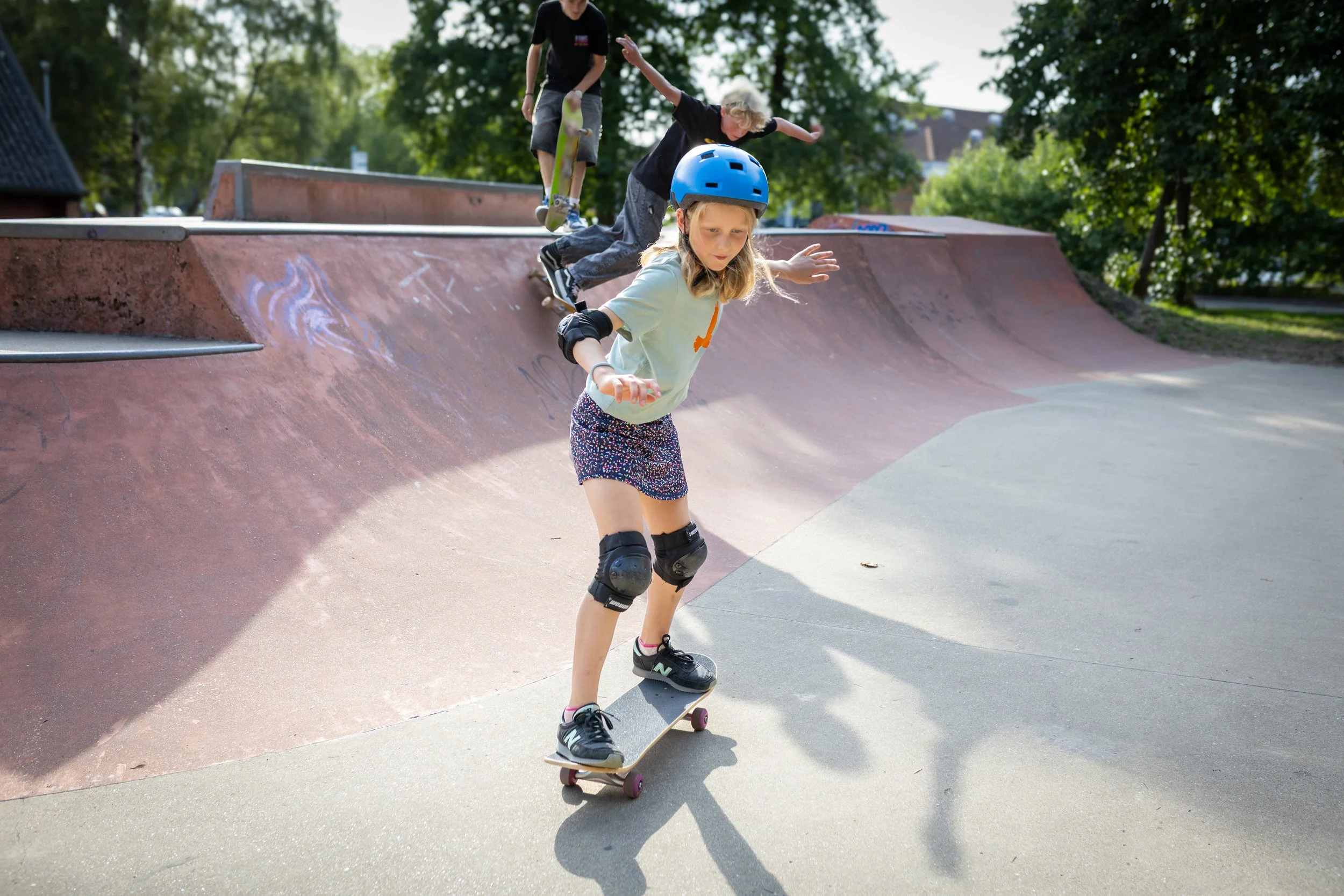
During puberty, a young athlete’s body and performance capacity can change, along with what they need to stay healthy and train well. The right knowledge, reassurance, and practical support from parents, teachers, and coaches will help girls remain confident and enjoy sport and movement during this time.
We provide clear evidence-based guidance for parents and coaches to help girls navigate puberty with confidence.
We equip you with the words, confidence, and tools to keep girls active and loving sport.
Every girl who stays in the game creates room for another to join.
To find out more about puberty and sport, check out our toolkit (accessed via the Members area) which is full of tips and resources to support girls to stay healthy, active and happy throughout puberty.
Want to help create environments where girls can thrive in sports and feel supported?
We are passionate about keeping girls engaged in sports and have resources available on different topics. Check out our members’ area, where you can access our toolkits and resources. If you think you could benefit from more personal support, we also offer workshops and individual support sessions.
Sources and Further Reading:
Breehl, L. & Caban, O. Physiology, Puberty. in StatPearls (StatPearls Publishing, Treasure Island (FL). https://www.ncbi.nlm.nih.gov/books/NBK534827/ (2026).
Goswami, B., Singha Roy, A., Dalui, R. & Bandyopadhyay, A. Impact of Pubertal Growth on Physical Fitness. Am. J. Sports Sci. Med. 2, 34–39. https://doi.org/10.12691/ajssm-2-5A-8 (2014).
Women in Sport. Reframing Sport for Teenage Girls: Tackling Teenage Disengagement. https://womeninsport.org/resources/reframing-sport-for-teenage-girls-tackling-teenage-disengagement/ (2022).
UK Sports Institute. Supporting the Developing Female Athlete: Evidence-Based Sport Science and Medicine Guidance for Developing Athletes. https://uksportsinstitute.co.uk/wp-content/uploads/2021/04/Supporting-the-developing-female-athlete-full-resource.pdf (2021).
Scurr, J. et al. The Influence of the Breast on Sport and Exercise Participation in School Girls in the United Kingdom. J. Adolesc. Health Off. Publ. Soc. Adolesc. Med. 58, 167–173. https://doi.org/10.1016/j.jadohealth.2015.10.005 (2016).
Capra, M. E. et al. Nutrition for Children and Adolescents Who Practice Sport: A Narrative Review. Nutrients 16, 2803. https://doi.org/10.3390/nu16162803 (2024).
British Dietetic Association (BDA). Calcium. https://www.bda.uk.com/resource/calcium.html. (2026)
Blog by Wiktoria Potocka
